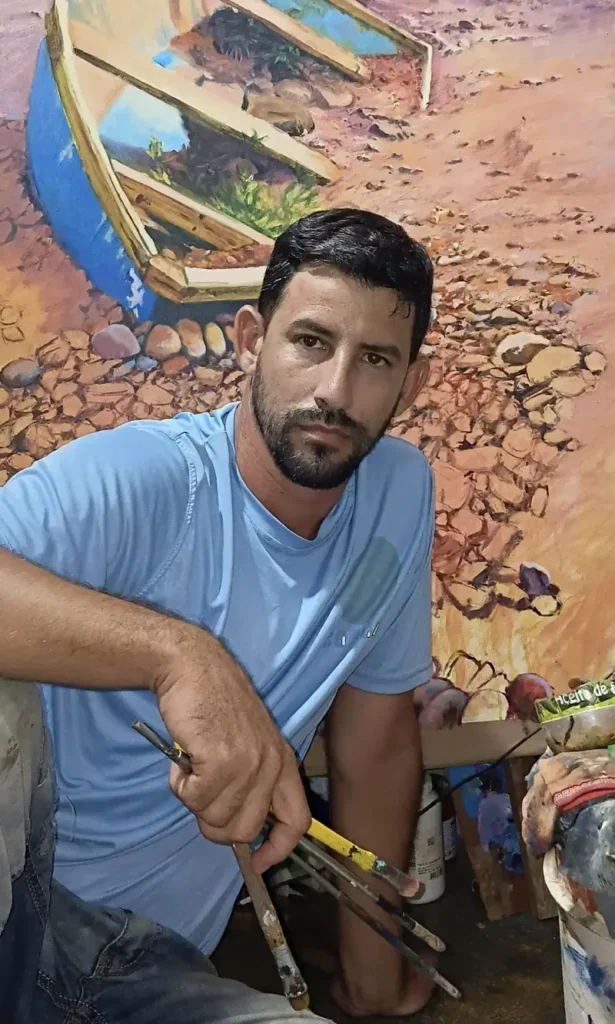
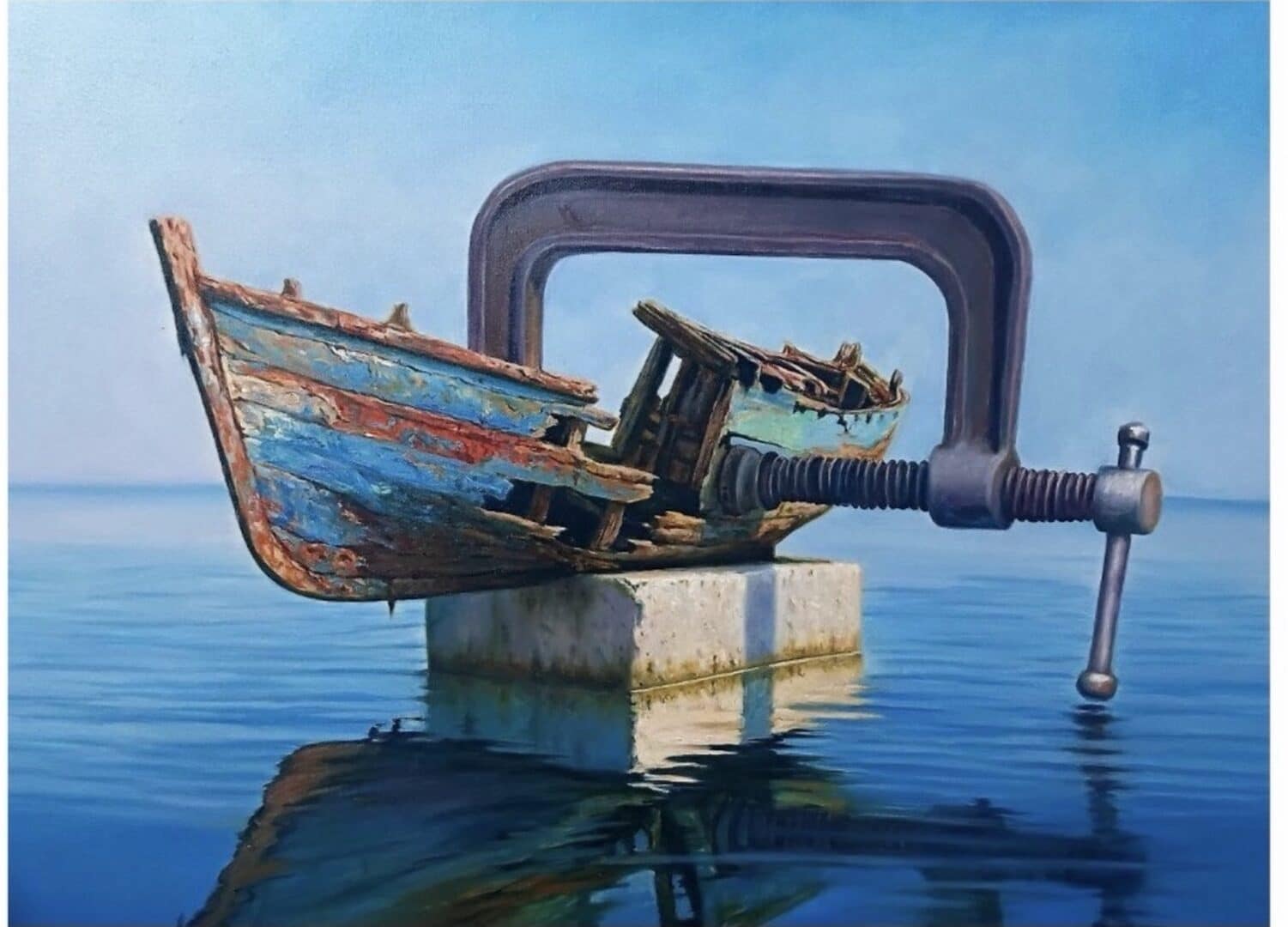
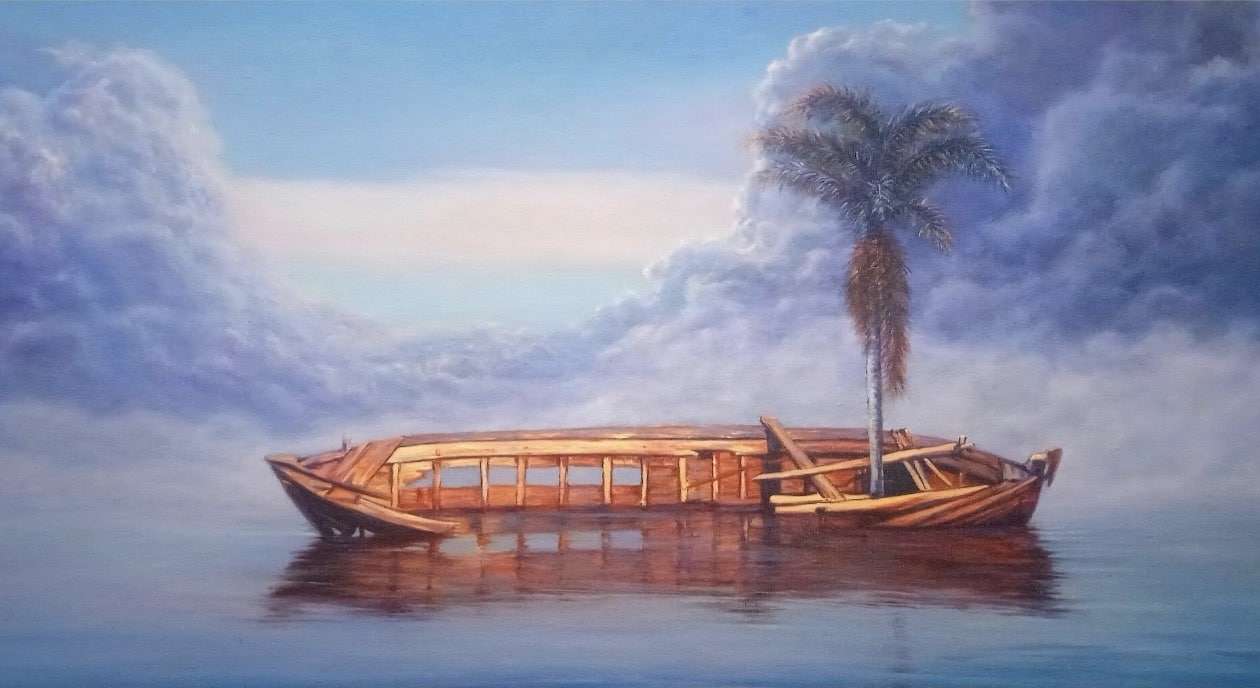
Juan Manuel Velázquez Fernández is a Cuban artist whose work has been exhibited in Cuba, Spain, and across Latin America. His symbolically charged landscapes reflect the loss of natural refuges while exploring themes of perception, protection, memory, and spiritual renewal.
Born on June 18, 1987, in Las Tunas, Cuba, he grew up in the fishing village of Puerto de Manatí within a family of fishermen. Surrounded by the sea, rural landscapes, and nature from an early age, he developed a deep connection to the environment that continues to shape his artistic vision.
At the age of twelve, he began attending art classes at the Cultural Center of Manatí under the guidance of Raúl Albariño. Following the completion of secondary school, he presented his first solo exhibition in 2002. In 2006, after graduating from high school, he joined the National Group of Cuban Miniaturists in Las Tunas and became part of the artistic project Perspectivas.
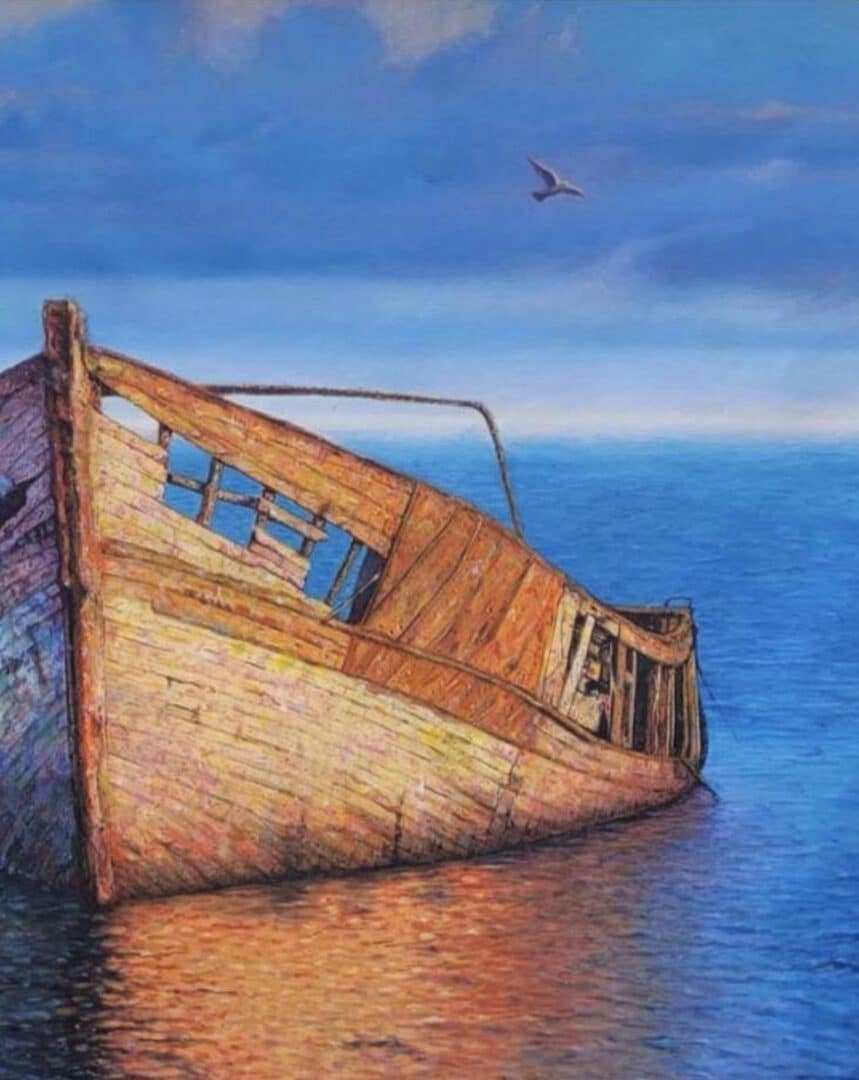
His painting is rooted in realism and characterized by a strong presence of the Cuban landscape and its atmosphere. Influenced by Cuban masters such as Leopoldo Romañach Guillén and Armando Menocal, as well as Spanish painters Joaquín Sorolla and Valentín Sanz Carta, Velázquez Fernández has developed a distinctive visual language that combines technical precision with emotional depth.
Work & Style
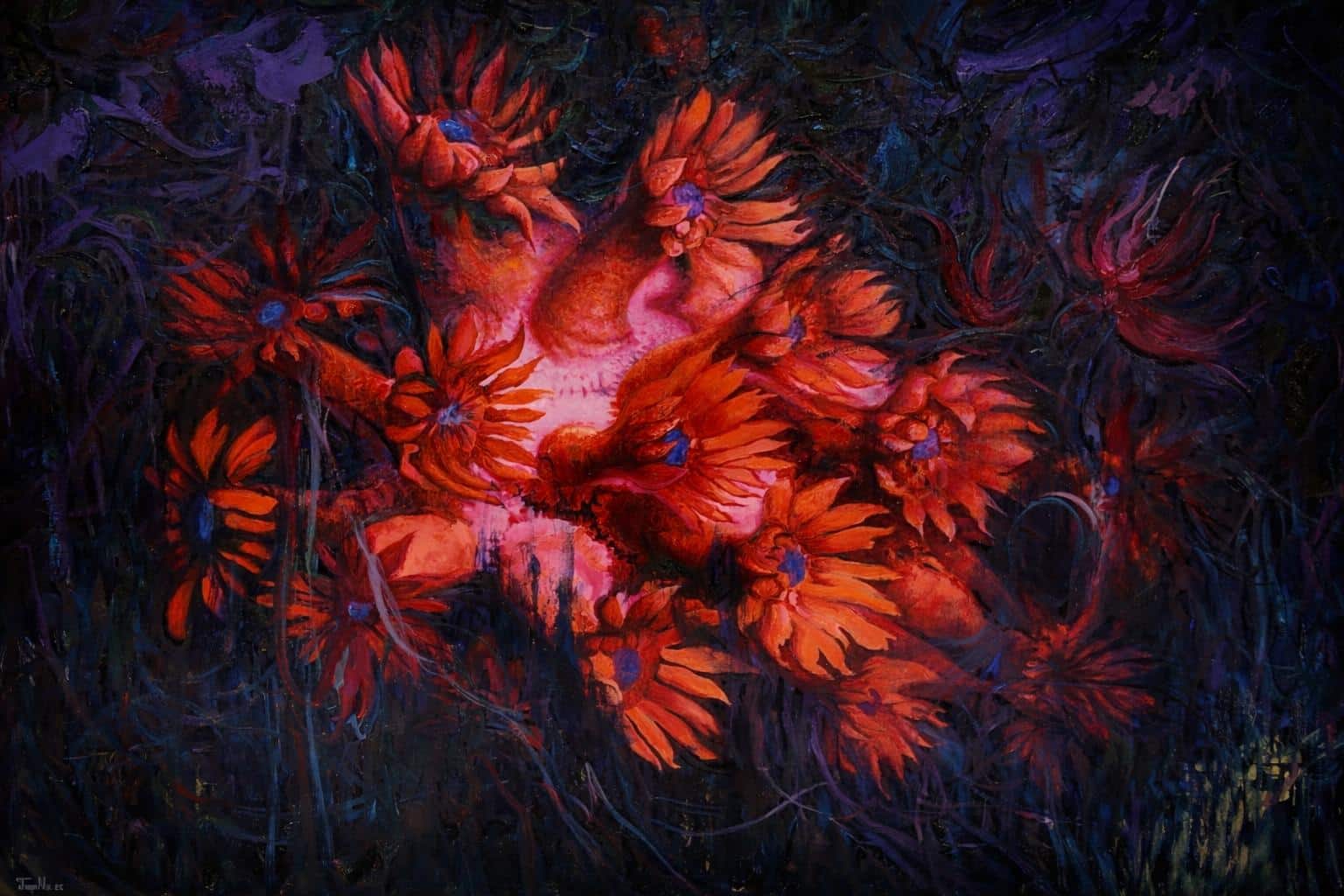
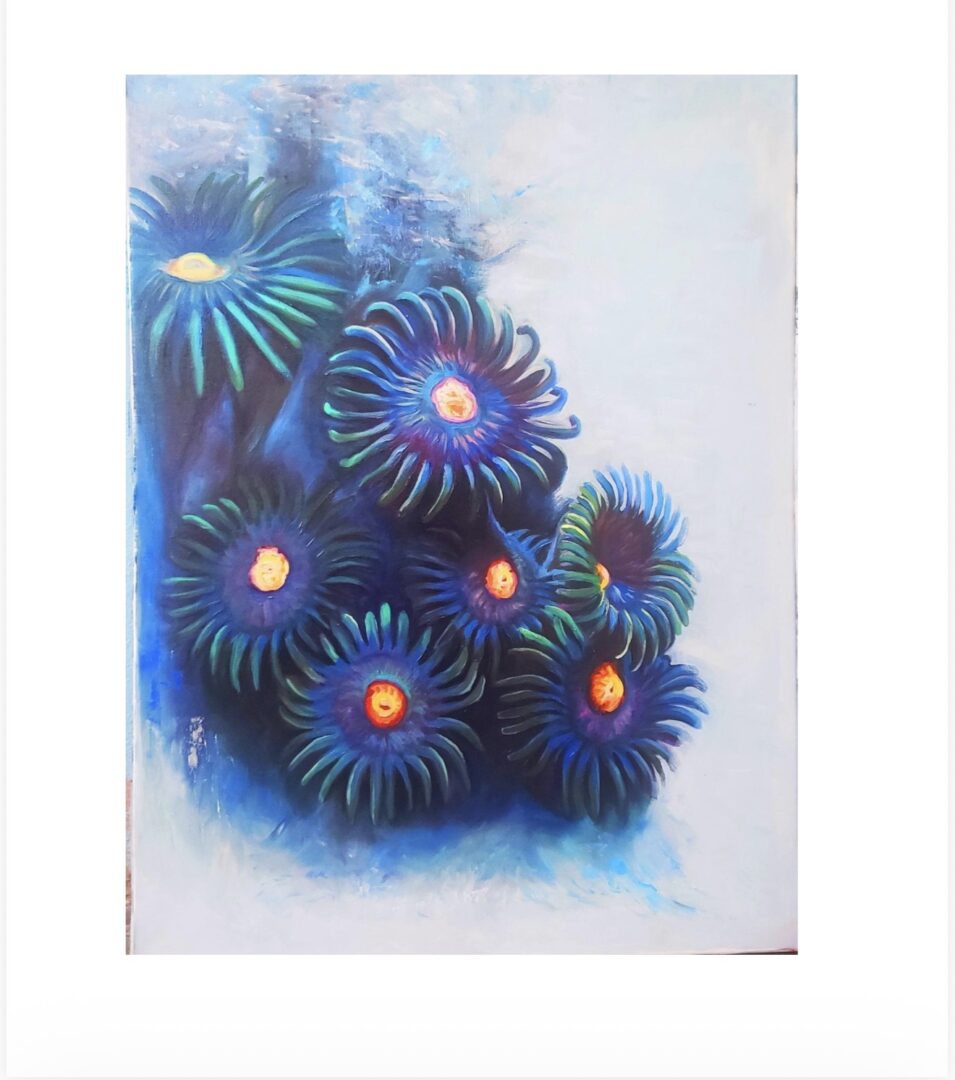
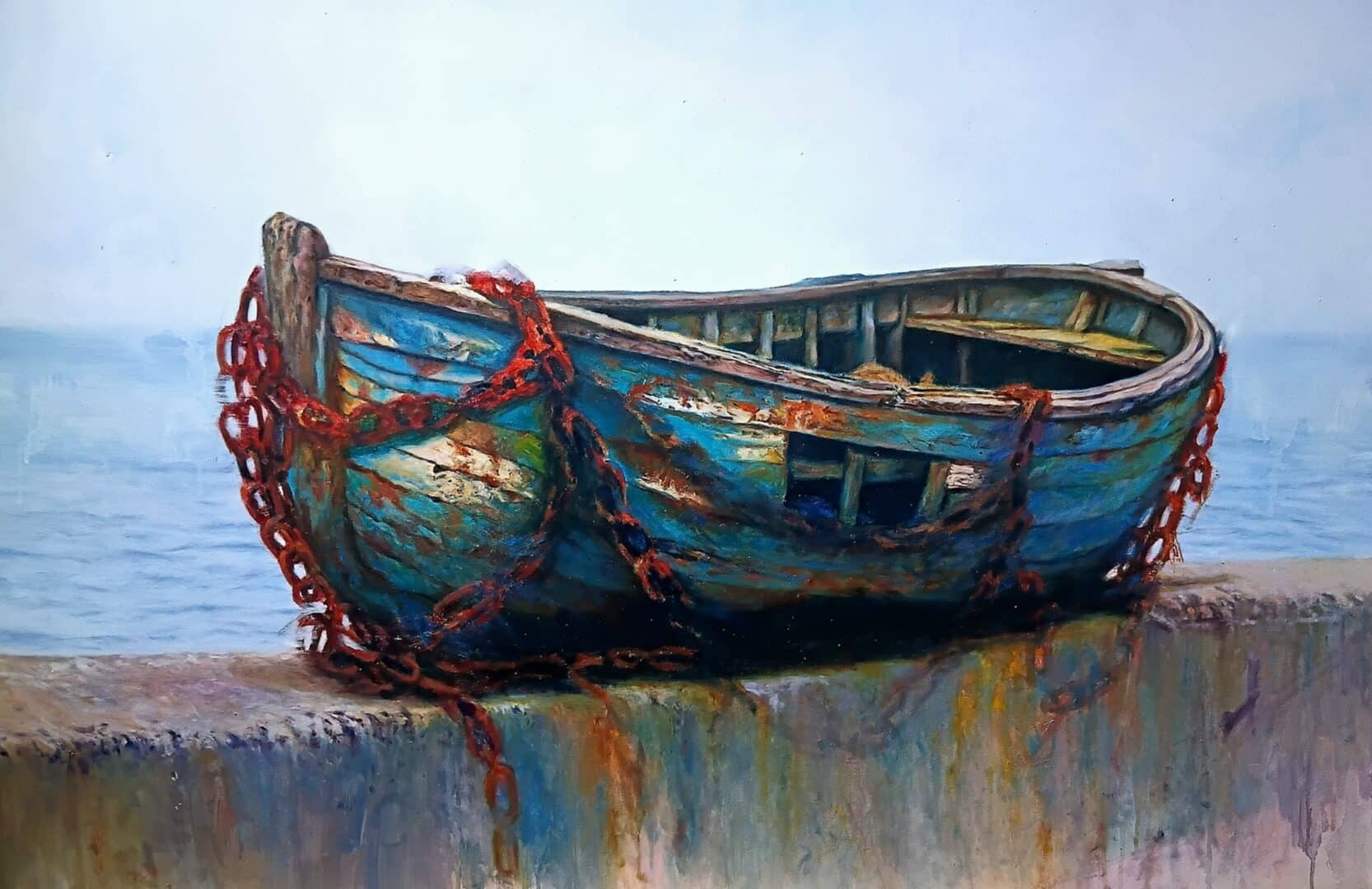
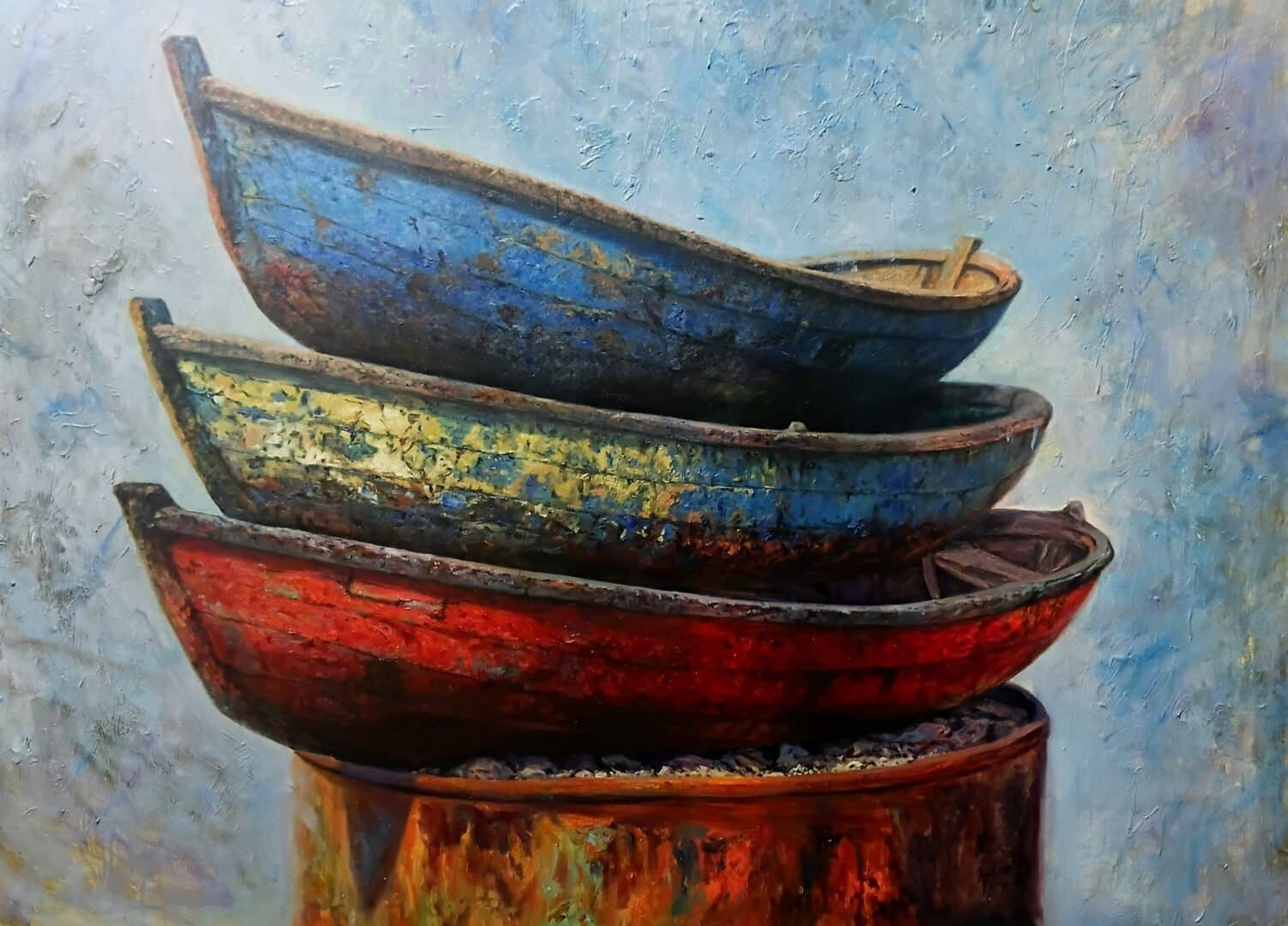
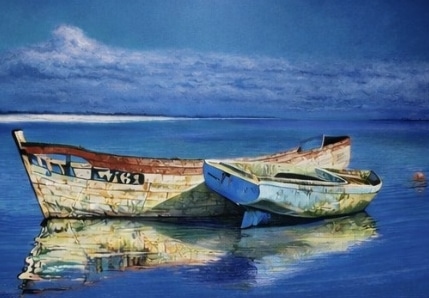
Velázquez Fernández works primarily in oil on canvas. His recurring subjects include Cuban landscapes, seascapes, fields, and natural elements. Rather than depicting decorative scenes, his paintings capture lived moments and personal experiences.
His work is distinguished by a vibrant use of color inspired by the Cuban environment and by brushwork that moves between looseness and precision. Each painting unfolds like a visual diary, recording memories, emotions, and encounters with the natural world.